
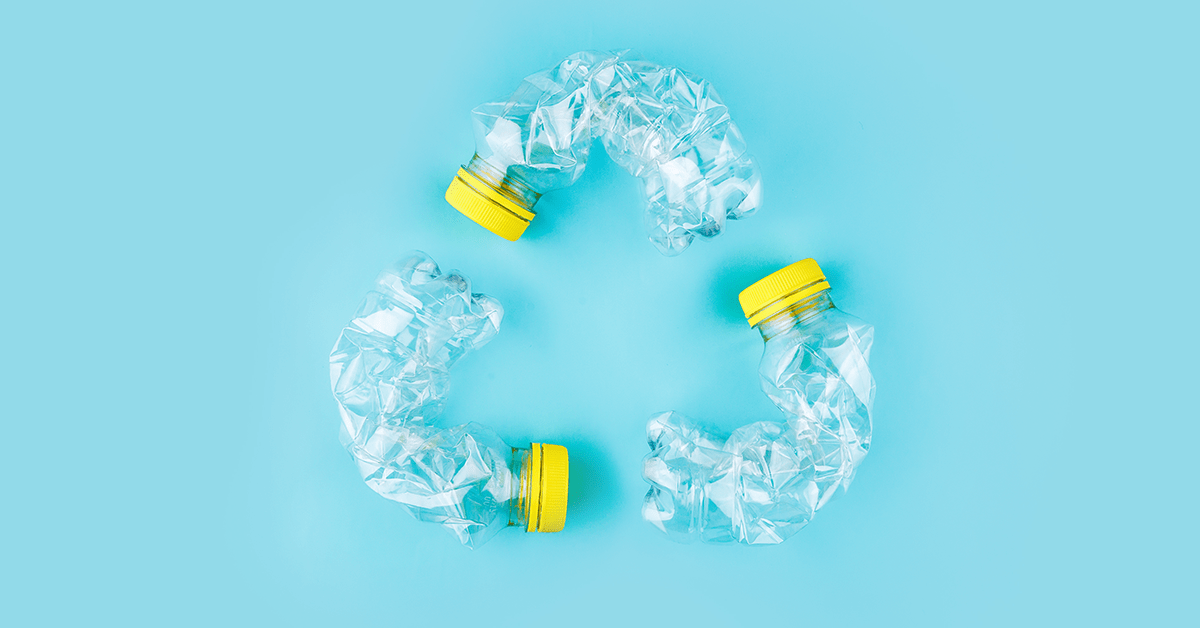
Recycling plastic feels routine. Throw it in the garbage and move on. But routine is where things actually go wrong. However, a vast number of things dropped in recycling bins ought not to have been there. What you really want to know, if you actually want to know, is which plastics are recyclable; and in that case, you could use fewer symbols and more of a straightforward answer.
Those are where the majority of mistakes start, so this article tackles the subject by myth.
Myth 1: If It is Plastic, It is Recyclable
This is the biggest misconception. Plastic is not a guarantee − it’s a category. Different plastics react differently when being processed. Some melt neatly for reuse. Some others don’t melt even, or release harmful materials.
Recycling centers pay the price in contamination and rejected loads when people are unsure of which plastics can be recycled.
Myth 2: The Recycling Symbol Means, in Fact, “Yes”
Misinterpretation of the triangle symbol. It does not say whether the plastic is recyclable; it adds that it’s for type identification only.
Here’s the reality:
- PET (#1) and HDPE (#2) − Most Recycled
- PP (#5) is increasingly accepted
- #3, 6, and 7 are often rendered off-limits
Just the symbol itself is not of great help by itself either if you do not look at the local acceptance rules.
Plastic Types Recycling Systems Still Want
Certain plastics are clean recyclables that can be sold.
PET (#1)
Found in:
- Beverage bottles
- Clear food packaging
PET is the most widely recycled plastic globally.
HDPE (#2)
Found in:
- Milk jugs
- Cleaning product bottles
The plastic is robust, stable, and can be remolded with ease.
PP (#5)
Found in:
- Yogurt cups
- Food containers
PP is on the rise but not everywhere yet.
It usually begins with these three when it comes to identifying what plastics are recyclable.
Plastics More Harmful Than Helpful
Certain plastics quietly harm the recycling process.
LDPE (#4)
Found in plastic baggies and similar type wrappers
It gets jammed in sorting machines and needs special handling.
PVC (#3)
Applied for blister pack and tube.
And along with the plastic itself, it emits toxins and pollutes other plastics.
Polystyrene (#6)
Used in foam containers.
Easily blown away, dirty, and rarely ever cost effective to recycle.
Other (#7)
A catch-all category for various mixed materials.
The majority of it is landfilled.
Myth 3: Recycle More is Always a Good Thing
Wrong. There is literally worse than not recycling: recycling improperly.
If people discard an item in the bins that you cannot recycler your batch is going to be discarded. In understanding what type of plastics are recyclable, it helps to shield the recyclable materials.
A Better Mindset for Recycling
Rather than asking “Is this recyclable?” ask:
- Is it clean?
- Is it rigid?
- Is it one material?
To be clear, if the answer is not an absolute yes, do not make it happen.
Final Reality Check
Trying harder is not how you recycle. It’s about choosing correctly. The system works faster, cleaner, and more effectively when people know which plastics they can recycle.
Less guessing. Fewer mistakes. Better outcomes.
That’s how recycling actually works.