

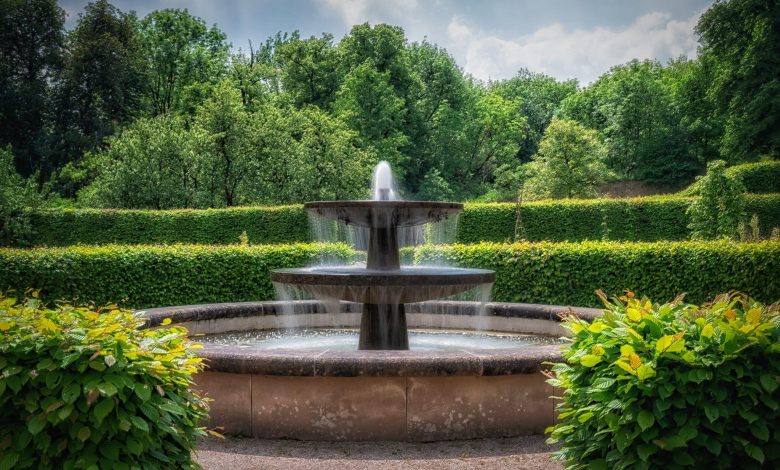
Outdoor fountains have been employed for centuries to bring movement and interest to gardens. Though the attraction of water features is clear, the implementation of a fountain in a home garden environment is not simply a matter of selecting the right design. There are some very practical considerations that must be evaluated when deciding if the fountain will be a benefit to the garden or just a source of stress. Whether drawing inspiration from local garden centers such as https://justpots.com/collections/fountains or browsing other design references online, homeowners benefit from understanding what truly matters before installation.
Assessing Space and Scale
Firstly, there is the matter of space and how the fountain is to be related to its environment. An ambitious fountain may tend to overpower a small garden, while a small fountain may be lost against the vast expanse of a broad lawn. In problem-solving, remember that the fountain should not only harmonize with such features as walkways, sitting areas, and plantings already established on the property, but may even be placed where it can be seen from especially significant viewpoints – for example, from a patio, from a window, or from an entrance. It should not interfere with traffic patterns, however, nor with areas designed for rest.
Understanding Water and Power Requirements
A majority of outdoor fountains employ a pumping system, thus making it necessary to have access to electricity. Homeowners would need to determine the availability of outdoor electric outlets and the necessity to install electrical work. Another consideration would be the use of water. Some outdoor fountains might employ a closed circuit, thereby reusing the same amount of water, or they would require refilling. In arid areas, the need to use this resource properly would become necessary.
Considering Climate and Weather Conditions
Climatic conditions in a region also affect the longevity of a fountain. Freezing temperatures may hamper functioning in cold climatic conditions. For example, pumps might fail due to freezing. In other cases, high temperatures result in high evaporation rates in regions close to the equator. Wind currents also affect splashing. While designing fountains, it is essential to consider which materials can withstand climatic conditions. For example, fountains made of concrete, metal, or stone are more durable. Partly shadowed fountains also help prevent algae formation.
Maintenance and Long-Term Care
Although a fountain can improve the aesthetic appeal of a garden or lawn, it is not considered a set-and-forget feature, meaning it has to be maintained periodically to maintain the clarity of the water and ensure it works correctly. While it may be aesthetically pleasing with its fresh water feature, homeowners should consider whether they can maintain it or whether it will require professional servicing, ensuring there are no expectations that cannot be met. Hard water mineral residue can build up over time, creating different colors of the material.
Design Compatibility and Garden Style
A fountain should blend harmoniously with the landscape of a home garden rather than being just a cosmetic addition. In conventional gardens, one can opt for classical or stepped designs, while in modern gardens, simple designs with clean lines are preferred. Fountain material, color, and texture are some of the factors that bring about harmony. Sound is one of those aspects that should not be neglected. Some fountains create a soothing sound of trickling water, while others create splashes. Sound should go along with the ambiance.
Environmental and Wildlife Concerns
Outdoor features like fountains can impact the surrounding ecosystem in a subtle fashion. The moving water feature and the splashing sound may attract bird life and helpful insects to the home garden area. Conversely, standing water within the feature may attract mosquitoes to the garden ecosystem and become a nuisance with inadequate circulation to prevent mosquito breeding. Furthermore, placement and design will help to prevent damage to plant life root structures and drainage patterns to ensure the home garden or ecosystem remains intact.
Budget and Installation Planning
It is not merely the cost of the fountain that needs to be accounted for, but also associated costs such as installation costs, wiring costs, maintenance materials, and many more. Some people may decide to seek the help of professionals for installation purposes, while others choose designs that are amenable to DIY installation. All such planning avoids last-minute expenses, ensuring that the fountain remains a sustainable addition rather than a cost burden.
Reframing Garden Makeover Planning with Awareness & Empathy
Incorporating a fountain in your home garden is as practical as it is aesthetic. By factoring in factors such as space and weather conditions, you can create a design that incorporates water features thoughtfully and sustainably. When done this way, your fountain is more than a decorative element; instead, it becomes a functional addition that adds to your outdoor living experience. Whether seeking inspiration from local landscapes or resources such as Just Pots Austin, informed planning remains the foundation of a successful garden feature.
