
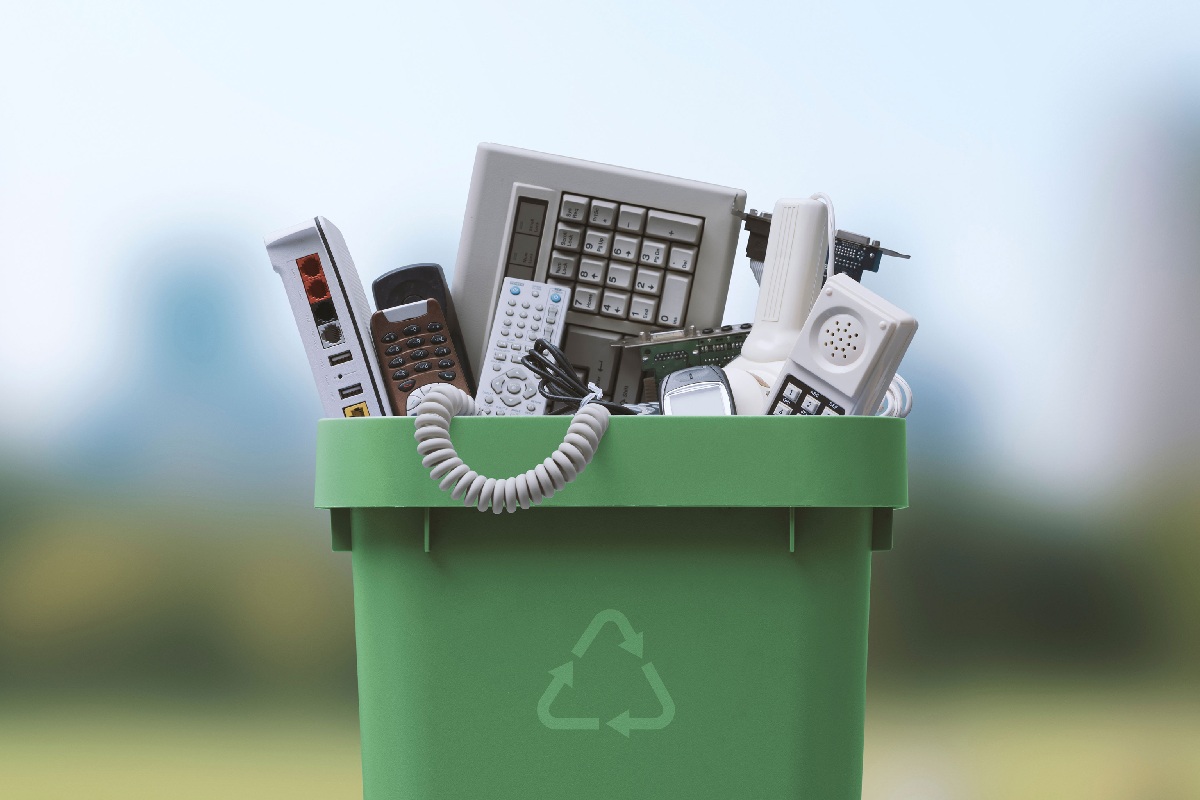
The paradox of Ewaste recycling is that the problem it seeks to address is largely a consequence of our own ingenuity. We have become extraordinarily adept at creating sleek, powerful devices that fit in our palms, yet we remain remarkably inept at dealing with these same devices once they cease to function or simply fall out of fashion. The average smartphone contains more computing power than the systems that guided Apollo 11 to the moon, but unlike those carefully preserved historical artefacts, our phones are designed to be disposable. This mismatch between our technological sophistication and our waste management practices has created a mounting crisis, one that requires not just better recycling methods but a fundamental rethinking of how we design, use, and dispose of electronics.
Understanding the Material Reality
To grasp why Ewaste recycling matters, one must first understand what electronic devices actually contain. If you were to disassemble a typical laptop, you would discover an astonishing array of materials. There would be copper in the wiring, gold and silver on circuit boards, aluminium in the casing, glass in the screen, and various plastics throughout. You would also find less benign substances: lead in solder joints, mercury in backlights, cadmium in batteries, and brominated compounds in flame retardants.
This chemical complexity is precisely what makes electronics both valuable and hazardous. A tonne of discarded mobile phones contains more gold than a tonne of gold ore extracted from the earth. Yet extracting that gold safely, without releasing toxic substances, requires sophisticated processing. The challenge of Ewaste recycling lies in separating the valuable from the dangerous, the recoverable from the irredeemable.
The Recycling Process Demystified
The journey of electronic waste through the recycling system follows a carefully choreographed sequence designed to maximize material recovery whilst minimizing environmental harm. Understanding these methods reveals why proper disposal matters:
- Manual dismantling forms the first stage, with trained workers removing batteries, capacitors, and components containing hazardous materials
- Shredding reduces larger items to fragments that can be sorted mechanically, breaking down computers and appliances into manageable pieces
- Magnetic separation extracts ferrous metals like steel using powerful magnets
- Eddy current technology recovers non-ferrous metals including aluminium and copper through electromagnetic induction
- Density separation uses air classification or water to sort materials by weight
- Advanced hydrometallurgical and pyrometallurgical processes recover precious metals from circuit boards through chemical dissolution or controlled heating
These methods, when properly executed, can recover up to 95 per cent of the materials in electronic devices. The remaining fraction, consisting primarily of mixed plastics and contaminated residues, requires careful disposal or energy recovery.
Singapore’s Systematic Approach
In Singapore, where space constraints have long necessitated creative solutions to waste management, Ewaste recycling has evolved into a relatively sophisticated system. The Extended Producer Responsibility framework places obligations on manufacturers and retailers to facilitate collection and recycling. “The goal is to make responsible disposal as convenient as purchasing,” one environmental official noted, acknowledging that human behaviour responds more to ease than to exhortation.
The island now hosts multiple collection pathways: large green bins in residential areas for small electronics, retailer take-back schemes at point of purchase, quarterly collection drives for bulky items, and licensed recycling facilities accepting all categories of electronic waste. This layered approach recognizes that different items require different collection strategies.
Preparing Items Properly
The effectiveness of Ewaste recycling depends partly on how consumers prepare their devices. Several steps enhance both safety and efficiency:
- Perform complete data erasure through factory resets or specialized software, protecting personal information from potential recovery
- Remove all batteries where possible, as they require separate processing pathways due to fire risk and chemical content
- Delete accounts and sign out of services before disposal
- Keep cables and accessories with their corresponding devices to aid sorting
- Avoid attempting DIY disassembly unless you possess proper tools and knowledge
For devices containing particularly sensitive information, professional data destruction services offer witnessed hard drive shredding before recycling. This addresses the primary concern that keeps many old electronics languishing in storage rather than entering recycling streams.
The Environmental Calculus
The environmental benefits of Ewaste recycling extend beyond preventing pollution. Recovering materials from existing devices reduces the need for virgin resource extraction. Mining copper, gold, and rare earth elements inflicts considerable environmental damage: habitat destruction, water contamination, energy consumption, and carbon emissions. When we recycle electronics, we effectively mine above ground rather than below, accessing the same materials with far less ecological disruption.
Consider that producing a new laptop requires approximately 240 kilograms of fossil fuels, 22 kilograms of chemicals, and 1,500 litres of water. Recycling that laptop at end-of-life recovers materials that offset a portion of these inputs in future manufacturing. The calculation is not perfectly circular, but it bends the curve away from purely extractive practices.
Making It Routine
The transformation of Ewaste recycling from occasional effort to habitual practice requires modest adjustments to daily routines. Designate a collection point in your home for accumulating small electronics. Note the locations and operating hours of nearby drop-off facilities. Schedule disposal during other errands. Educate household members about what qualifies as electronic waste.
These small behavioural modifications, multiplied across millions of households, generate substantial environmental impact. We need not achieve perfection to make progress. Even partial participation in proper disposal channels represents improvement over the alternative of electronics entering general waste streams or gathering dust indefinitely in storage.
The trajectory of our electronic age suggests that device proliferation will continue, perhaps accelerate, as more objects gain computational capabilities. Meeting this challenge requires not heroic individual gestures but widespread adoption of practical disposal habits, supported by convenient infrastructure and clear information about Ewaste recycling.