
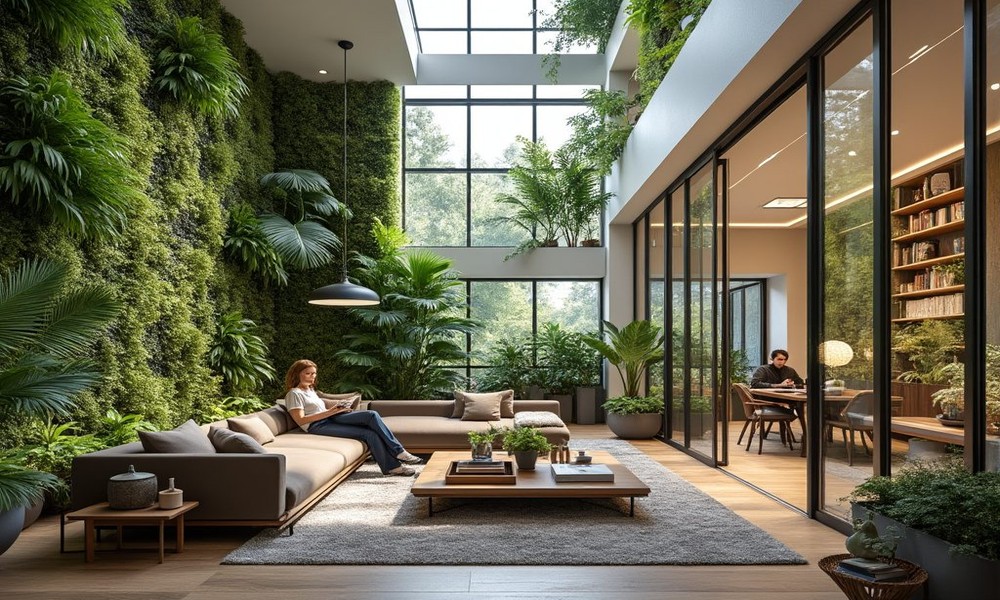
There is an increasing number of individuals who are transforming small areas into green areas and vertical gardens are not an exception. In a congested area on the ground, it only makes sense to plant upwards. It gives vitality to boring walls, balconies and even the interiors which are somewhat dull. This form of gardening is quite suitable in the contemporary lifestyle of many households in Australia. There is no more need to have a large backyard to enjoy greenery which is refreshing in congested cities.
It is also a mere pleasure to view plants in the eye level. It is more intimate, more personal. You do not need to bend over to check on pots, all is at a place you can see. That minor adjustment makes nurturing plants seem simpler, despite being unfamiliar with gardening.
The fit of Vertical Gardens in Small Spaces.
Space may be an issue, particularly in units or townhouses. This is where vertical gardens really shine. You transform unused spaces to growing spaces through walls, fences or frames. A balcony with a small area can accommodate quite a large number of plants in such a manner.
It’s not just about saving space either. A properly placed garden can also be used as a soft screen, providing some privacy to the neighbours. Others use them to decorate dull fences or walls that are no longer pretty. Depending on the combination of plants, you can vary the atmosphere of a space significantly, and without any extensive construction.
Plants That Do Work.
Not every plant is going to thrive vertically, and it is better to make a good choice. Light is a big factor. Herbs and flowering plants usually flourish under full sun on the wall. Ferns and leafy greens are better off in shaded areas. It is worth seeing how much water each plant requires as well, as some will dry up quicker in this manner.
Weight is another aspect that people overlook. A lot of wet soil may have a tendency of getting heavy, and therefore, it is preferable to use lighter growing mixes. This assists in safeguarding the structure that supports all. It pays to plan it a little bit at the beginning, believe me.
Basic care and maintenance guidelines.
Caring of vertical gardens is not necessarily difficult but it requires frequent care. Due to reduced soil volume, plants have higher watering frequency requirements. During hot weather, this may involve day-to-day inspections. It doesn’t sound like much, but when you get into a routine it becomes normal.
Plants should also be fed after every couple of weeks to make them healthy. These arrangements can be made easier to use with liquid fertitisers. Be alert of dry spots or wilting leaves, they normally give you a clue that something is wrong. Early detection and correction of a minor issue will prevent larger issues in the future.
Making Nature Attractive to Everyday Life.
Something soothing about having greenery nearby, regardless of size, is having a small wall of greenery. Vertical gardens are able to soften hard spaces and make a home more relaxed. They can also be an enjoyable way of making kids interested in growing food or taking care of plants, which is good with their families.
These gardens gradually become a part of life. You see little things, new leaves, perhaps a flower opening. It is not merely about appearance, it is about being somehow closer to nature, even in a bustling community. And this is a thing that many people are starting to appreciate more even when they may not have initially thought that.