
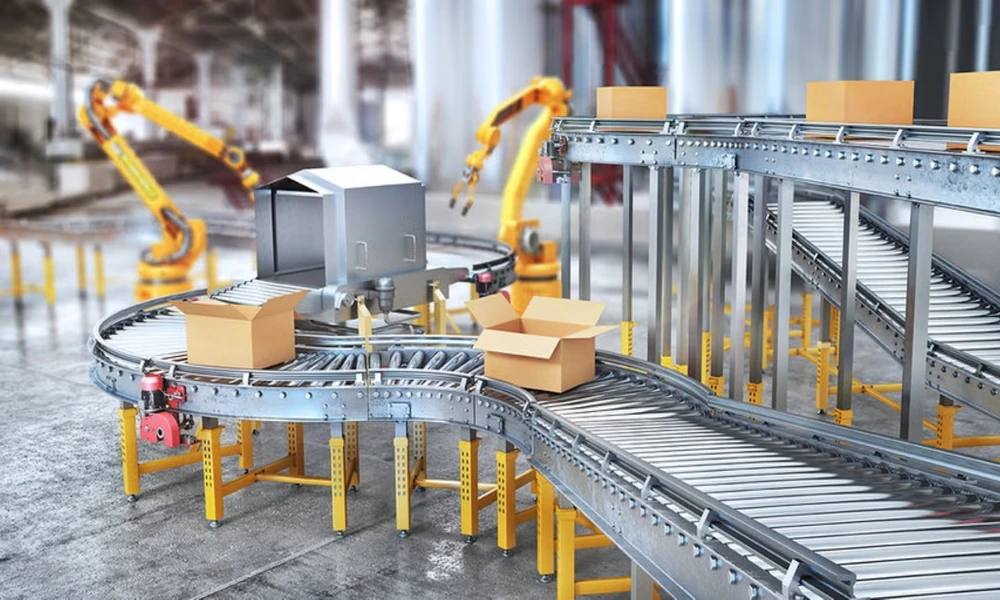
Many factors can cause a packaging line to slow down. Workers could be asked to do the same thing for hours on end. Amount of product may vary between orders. Results can also be inconsistent when applying batch packing.
Packaging automation is one of the most effective methods to tackle these challenges. These processes include machinery, controls, and software for packaging with very little manpower involved. The outcome you can expect is a production process that takes less time to complete and is more reliable.
Where Does Automation Layout a Difference?
Packaging is much more than putting a product in a box. Each line may also consist of multiple separated stages in practice.
These can include:
- Filling − putting the right quantity of product into a container
- Sealing − closing bags, cartons, bottles, or other packages
- Labelling − labelling information on the product, shipping
- Inspection − involves examining products or packages for defects
- Packing in a case − finished goods are placed into shipping containers
You can use automation to smooth out production by automating the steps.
The Human Role Still Matters
Automation is not always the replacement of people on the production floor. What it does in many facilities is that it changes what employees do.
Instead of doing the same simple packaging job over and over again, workers may do things like:
- Machine monitoring
- Quality checks
- Material handling
- Maintenance
- Production control
Machines can handle repetitive operations which allows better use of employee time.
Consistency is a Major Benefit
There can be differences in the performance of manual packaging across different workers and shifts. A machine is made to follow certain set parameters and do certain same movements over and over again.
Properly designed and configured, packaging automation allows businesses to fulfill processes and achieve more consistent fill levels, seals, labels, and product placement.
Working on consistent packages will also help to make your work look more professional. More importantly, it helps to reduce common mistakes which lead to lost products, wrong tags, or thick waste.
What About Production Speed?
Manufacturers often also think of automation as it relates to speed.
Machines, unlike people, are machines and do not get tired of performing the same task multiple times in a row. That can help production lines output at a constant rate.
But more speed is not always better. The packaging system needs to be in line with the speed of the before and after equipment. Bottlenecks can still occur even if one machine works significantly faster than another.
Hence, proper planning is a must before new equipment installation.
Choosing the Appropriate Level of Automation
Not all businesses require a full automation line.
For instance, a small manufacturer may first focus on automating one difficult or monotonous stage. A bigger facility will have to do with an integrative body that connects multiple packaging processes.
Factors worth considering include:
So, the correct solution is to solve an actual production issue and not adding any complexity that you do not need.
Creating a More Streamlined Packaging Solution
Automating packaging is not just about replacing manual work with new technology. It is about building something more dependable.
Performing this collaboration properly, businesses can boost their consistency, manage increased demand, cut down recurrence tasks, and utilize the workforce skillset more efficiently.
Automation is one of the more practical advances that a company can make when trying to improve packaging performance.