
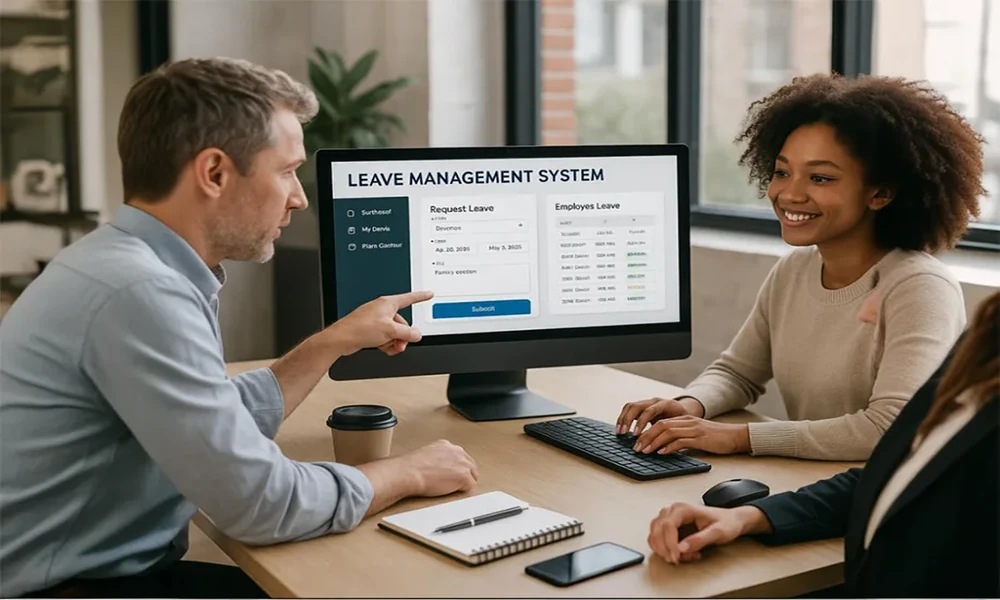
Workplaces move faster than leave records once did. Teams spread across locations, schedules change quickly, and staffing gaps affect daily output. Leave tracking now influences planning, employee experience, and resource allocation. A reliable hr leave management system plays a central role within modern HR operations while reducing administrative friction.
Why Do HR Teams Need Better Leave Visibility?
Leave decisions affect more than attendance records. A manager approving vacation requests needs immediate workforce visibility. Without clear information, overlapping absences can create coverage issues.
When records sit across emails and spreadsheets, confusion follows. Delayed approvals frustrate employees. Missing updates create planning errors. Clear visibility helps teams allocate responsibilities before workloads become difficult to manage.
Features That Create Day-To-Day Efficiency
Practical functionality delivers measurable value across departments. Strong platforms remove repetitive manual actions while keeping records accurate.
- Instant balance checks before requests
- Manager approvals through mobile devices
- Department calendars showing planned absences
- Policy-based calculations across leave categories
- Secure records for audit reviews
Small efficiencies accumulate quickly. Fewer manual corrections free valuable HR hours.
How Does Automation Improve Leave Accuracy?
Human error often enters during manual data entry. Leave balances may become inaccurate after policy updates or schedule adjustments. Automated workflows reduce those risks.
For example, a vacation request can trigger notifications instantly. Managers review availability before approval. Once accepted, the hr leave management system updates records without duplicate entries. Employees receive status updates immediately, reducing unnecessary follow-up conversations.
Practical Benefits Beyond Administrative Tasks
Effective leave management influences broader workforce planning. HR leaders gain access to useful absence patterns and staffing trends.
Key advantages include:
- Better seasonal workforce preparation
- Faster response during staffing shortages
- Stronger compliance across policy frameworks
Another valuable outcome involves employee trust. Clear processes reduce uncertainty. Staff members know where requests stand and when decisions arrive.
What Should Organizations Look For?
Selecting software requires more than feature comparisons. Ease of adoption matters because employees interact with leave tools regularly. A complicated platform creates resistance.
Consider these evaluation points:
- Simple navigation across devices
- Flexible policy configuration options
- Payroll integration capabilities
- Real-time reporting functions
A useful platform should fit operational realities rather than forcing process changes across every department.
Better Leave Management Strengthens Team Coordination
A leave request appears simple on the surface. Behind it sits scheduling, policy enforcement, workforce planning, and employee expectations. Organizations relying on disconnected records often spend energy correcting avoidable mistakes. When approval workflows, department calendars, and balance calculations operate through one environment, HR teams gain something more valuable than efficiency: confidence in every staffing decision made throughout the year.
FAQs
What makes leave management software valuable?
It centralizes requests, balances, approvals, and records. HR teams spend less time handling routine administration while managers gain clearer staffing visibility.
Can small businesses benefit from leave management systems?
Yes. Smaller organizations often have limited HR resources. Automated processes reduce manual work and improve record accuracy without adding administrative burden.
Why are real-time leave records important?
Current information helps managers avoid scheduling conflicts. Accurate records also improve planning during peak workloads and seasonal staffing periods.