
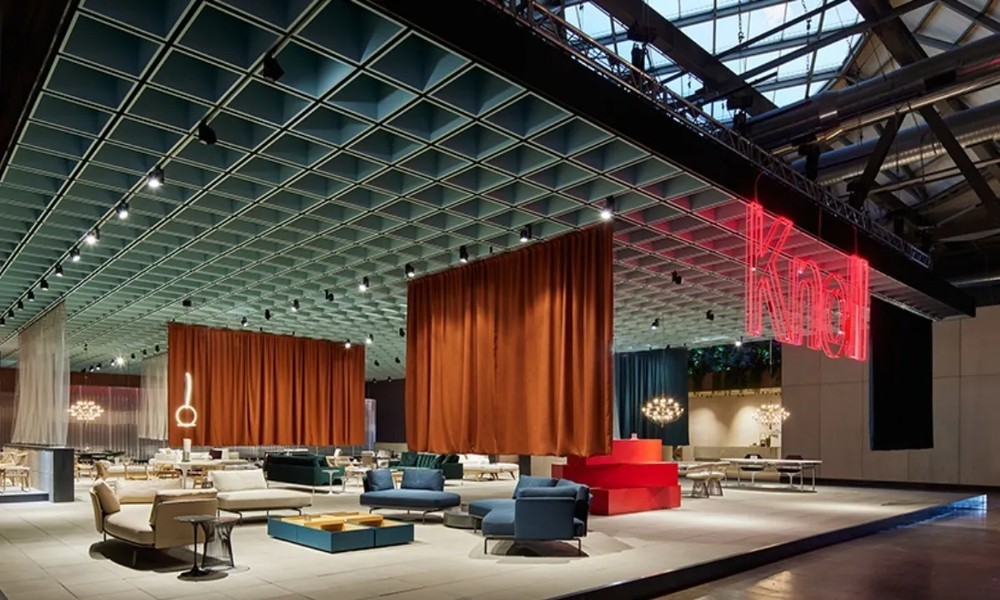
A room can contain attractive pieces yet feel unsettled. One chair suits the setting. Another item feels disconnected. Soon, the entire arrangement loses visual flow. Homeowners often face this challenge while furnishing different areas. Through coordinated collections and thoughtful design principles, knoll designer furniture helps create interiors where separate elements feel naturally connected.
How Does a Space Start Feeling Disconnected?
At first, every purchase may seem appropriate. Later, visual inconsistencies begin appearing. A sleek table sits beside bulky seating. Different finishes compete for attention. Scale variations create awkward relationships throughout the layout.
As these differences accumulate, harmony becomes harder to achieve. Occupants may not identify the exact cause. Still, they notice something feels unresolved. Interior cohesion depends upon relationships between form, proportion, texture, and placement rather than isolated selections.
Why Does Knoll Create Better Visual Continuity?
Knoll follows a clear design language across collections. Shared principles guide each product category. Because proportions remain thoughtfully considered, pieces connect more naturally across various environments.
Several qualities contribute to this consistency:
- Refined silhouettes across multiple furnishings
- Balanced dimensions within coordinated collections
- Material selections supporting visual harmony
- Timeless forms suited for evolving interiors
These characteristics help rooms feel unified without appearing repetitive. Each addition strengthens overall visual relationships rather than competing against neighboring elements.
Small Design Decisions Shape Larger Results
Successful interiors depend upon more than appearance. Furniture dimensions influence circulation patterns throughout living areas. Surface finishes affect perceived warmth. Shape variation influences visual movement.
For example, a low lounge chair paired carefully with complementary storage creates balance. Similar relationships appear throughout well-planned settings. Designers appreciate this approach because knoll designer furniture allows different zones to share common characteristics while maintaining individual purpose.
Helpful considerations often include:
- Height relationships between furnishings
- Texture combinations across surfaces
- Material consistency within key areas
- Scale alignment throughout layouts
Each decision contributes toward stronger visual cohesion over time.
Can Different Rooms Share One Identity?
A connected interior does not require matching furnishings everywhere. Excessive repetition can reduce character. Instead, successful projects maintain common themes while introducing variation where appropriate.
A reading corner may feature softer forms. Dining areas may emphasize cleaner profiles. Workspaces often require practical functionality. Despite these differences, shared design principles create continuity throughout the property.
Consider these approaches:
- Related finishes across separate zones
- Complementary forms within distinct settings
- Consistent proportions supporting visual flow
Through careful coordination, every area contributes toward a broader design narrative.
Why Do Professionals Value Long-Term Consistency?
Interior projects rarely remain unchanged forever. Families grow. Needs evolve. Layouts adapt over time. Furniture capable of moving between functions becomes increasingly valuable.
A chair selected for one location may suit another later. Storage pieces often transition between rooms. Because design relationships remain relevant, future adjustments become easier. This flexibility helps preserve visual harmony despite changing requirements.
Furniture That Works With the Whole Interior
Strong interiors emerge through connected decisions rather than isolated purchases. A lounge chair, storage unit, and table may serve different purposes. Yet shared proportions create meaningful visual relationships. Those subtle connections influence how occupants experience their surroundings each day. When furnishings contribute toward a larger design vision, spaces feel settled, balanced, and easier to enjoy for years ahead.
FAQs
Is Knoll furniture suitable for residential interiors?
Yes. Its design language integrates comfortably across various home environments while maintaining visual consistency.
Does cohesive design require matching furniture?
No. Related proportions, finishes, and forms create stronger results than identical selections.
Why do proportions matter in interior design?
Balanced dimensions help furnishings relate naturally, improving visual flow throughout occupied areas.
Can Knoll furniture adapt to changing needs?
Yes. Many pieces transition smoothly between different functions and locations within a property.