
Located in northeastern Oklahoma, Tulsa has many urban zones with older homes across neighborhoods like Midtown, White City, and Brookside. A wide range of pest species are reported here, and the responsible factors include the climate. Summers here are often hot and humid, while winters are milder compared to other regions. Tulsa County has a West Nile virus program, indicating that pest issues here aren’t a concern only for homeowners but for the entire population.
Given varying temperature shifts across months, it is always a smart step to get professional pest control for your home. You can connect with Palisade Pest Control, which is a local service in Tulsa and offers a mix of immediate solutions and preventive plans. Check palisadepest.com to learn more about the Palisade team. In this guide, we will discuss why expert assistance is critical for seasonal issues.
Spring Pest Problems
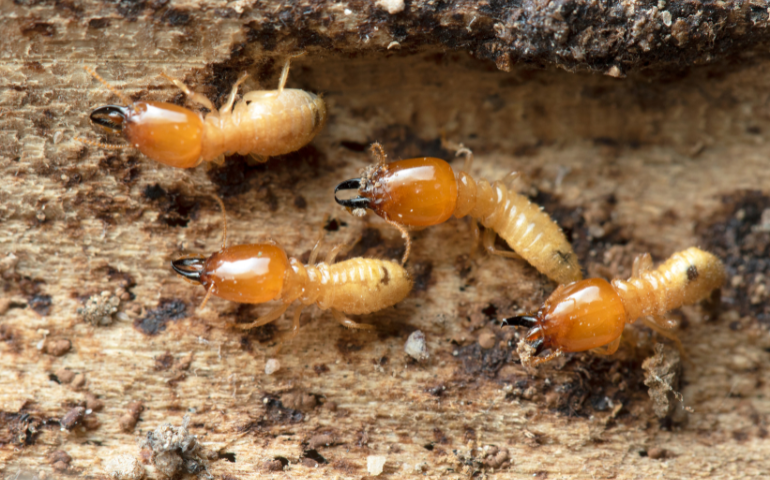
Spring in Tulsa lasts from March to May, and this is when soil temperatures increase and boost subterranean termites. It is common to see swarms after sudden rain. Ants are also active during this time, and colonies grow aggressively. Trails can be seen indoors when there is excessive rain or outdoor moisture. Spring can also activate mosquito breeding, especially in low-lying yards and clogged gutters. Stinging insects like paper wasps start building nests during this time, and as insects grow in numbers, more spiders can be seen in garages and sheds.
Summer Trends in Tulsa
Between June and August, heat and humidity remain at their peak, which ensures mosquito populations continue to infest homes. Ongoing rain cycles create standing water, where these insects can easily thrive. If you have dogs or other pets at home, you have to be cautious about ticks, which can cause diseases like tick fever. Roaches also enter homes during these months due to extreme heat, and signs can be spotted across kitchens, bathrooms, and unused rooms. Crickets and scorpions are also common in Oklahoma and will follow prey in living spaces.
Fall & Winter Migration
Between September and November, temperatures start to drop, and you may notice stink bugs clustering on walls and siding. Spiders get inside homes as outdoor insects decline in numbers, so webs and other signs like egg sacs can be seen in sheds, corners, and attics. Rodents may start early migration if the weather cools down further. From December to February, winter weather brings most species inside properties. Given the mild winters, pest cycles don’t end but just move to new locations.
Professional Expertise for Seasonal Shifts
One of the foremost reasons to hire pest control services is to avoid extreme infestations. Local technicians know Tulsa neighborhoods and how activity changes with the season, which is why they can anticipate changes. The first goal is to inspect a property and find the possible issues, many of which may not be immediately visible. They check for signs and access points along with the species- a step that DIY enthusiasts ignore. Seasonal strategies include:
Spring: Sealing foundation gaps and other points through which ants and spiders can enter. Pest experts can also choose sprays for perimeter treatment, which will reduce termite pressure.
Summer: Summer is all about eliminating water sources that work for mosquitoes, and if larvae are active, technicians will use the right product when water cannot be drained. Tick control measures around property edges are also considered for selected Tulsa areas.
Fall & Winter: From sealing to using screens, fall pest control by experts is more about preventing indoor problems. The team will inspect the house and fix all early problems, so that extreme treatments can be avoided.
If you haven’t hired a pest control service in Tulsa for ongoing assistance, do that NOW!