
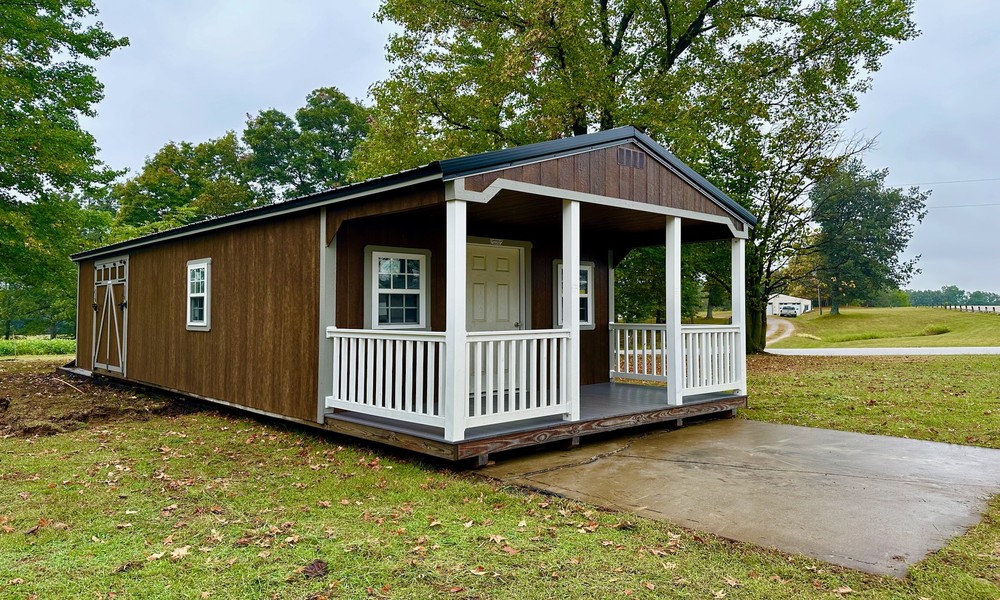
A barn-shaped portable shed can bring order, charm, and practical space to a busy property. Its raised roof, roomy center area, and familiar country look make it useful for garden tools, equipment, seasonal storage, and hobby supplies. Buyers look at the outside first and miss the details that shape daily use.
Barn-style portable buildings work best when size, access, location, layout, and materials match the way the space will serve the property. A careful choice creates a building that feels natural, useful, and easy to manage. Here are the common mistakes that deserve attention before choosing one.
Choose a size that feels right
A small barn shed can look large enough when it sits empty on a display lot. Once shelves, boxes, lawn tools, bikes, and work gear move inside, the floor space can fill faster than expected. A little extra room helps keep the center clear and makes the building easier to use.
A better size choice starts with the items that need a proper place. Large tools, mower attachments, storage bins, and seasonal décor all need measured space. The building should also allow room for walking, lifting, sorting, and reaching items without strain.
Skip A Careful Site Check
The spot for the portable barn matters as much as the structure itself. A level area helps doors swing freely, keeps the frame steady, and supports a clean setup. Dry ground also helps protect the floor and stored items from moisture.
Access should guide the site choice as well. A shed placed too close to a fence, tree, or narrow path can make moving equipment difficult. The best location gives enough clearance around the doors and leaves space for regular use.
Choose Doors Without Thinking About Daily Use
Doors can shape the whole experience of using a barn shed. A standard entry may work for small tools and boxes, but larger equipment needs wider access. Garden carts, mowers, bicycles, and bulky storage tubs need room to move in and out smoothly.
Double doors are useful when the shed will hold equipment or large supplies. A side door can help when the space also serves as a small workshop or garden room. The door plan should match the items that enter most, since that detail affects daily comfort.
Forget The Interior Layout
The high roof on a barn-style shed gives more usable space than a flat, basic design. That extra height can support loft storage, wall hooks, shelves, and taller tools. Without a clear layout, the inside can still feel crowded and harder to keep tidy.
A simple interior plan adds real value to the building. Heavy items should stay near the door, while lighter boxes can sit on shelves or loft areas. Workbenches, tool racks, and labeled zones help the space stay useful through every season.
Pay Too Little Attention To Materials
Materials influence how the building handles weather, weight, and regular use. Strong siding, solid framing, dependable roofing, and sturdy flooring all support better performance. Each part should suit the climate and the purpose of the shed.
A storage barn for heavy tools needs a floor that can handle weight without trouble. A building used for hobbies may need better airflow, wall space, and natural light. Weather-resistant materials also help protect stored items from rain, heat, and damp air.
A well-chosen portable barn should make storage easier from the first day. The best barn-style portable buildings fit the property, support daily tasks, and give every item a sensible place. Size, site, doors, layout, materials, and style all shape how useful the building feels after installation. A little planning turns a simple shed into a practical space for tools, hobbies, equipment, and seasonal storage.