
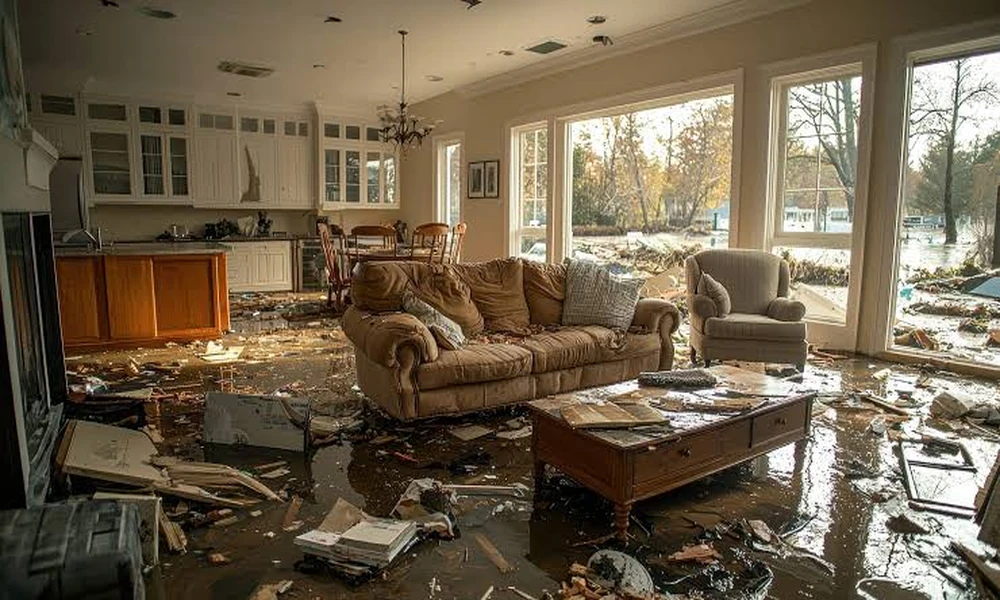
Key Takeaways
Timely action is one of the most important factors in limiting the effects of water damage. Addressing a water-related problem as soon as possible can help reduce the spread of moisture, protect building materials, and lower the risk of mold growth.
Delaying water extraction and drying can allow moisture to penetrate drywall, flooring, insulation, and other structural materials. What begins as a small leak can eventually become a much larger restoration project.
Professional restoration teams use specialized equipment, including commercial water extraction pumps, air movers, dehumidifiers, moisture meters, and thermal imaging cameras, to locate and remove water efficiently.
The water restoration process generally includes inspection, water extraction, drying and dehumidification, cleaning and sanitization, and repairs or reconstruction when necessary.
Homeowners in Hunterdon County should watch for warning signs such as water stains, musty odors, bubbling paint, warped flooring, visible mold, and unusual indoor humidity.
Routine inspections and preventative maintenance can help identify plumbing, roofing, drainage, and moisture problems before they result in extensive property damage.
When choosing a restoration company, property owners should consider response time, experience, certifications, transparent pricing, emergency availability, customer reviews, and familiarity with properties and weather conditions in Hunterdon County.
Why Timely Water Damage Restoration Matters in Hunterdon County
What Can Happen During the First 24 Hours?
When water enters a property, the damage can continue even after the visible water has been removed. Moisture may quickly absorb into drywall, flooring, furniture, insulation, and other porous materials.
The first 24 hours are especially important because early inspection and extraction can help prevent the problem from spreading. A professional restoration team can identify the source of the water, determine which areas have been affected, and begin the drying process.
For homeowners searching for Water damage restoration hunterdon county, choosing a restoration provider that can respond quickly can be an important step toward limiting additional damage.
- Identify and address the source of the water.
- Inspect affected areas for visible and hidden moisture.
- Remove standing water.
- Evaluate potentially damaged materials.
- Begin drying and dehumidification.
- Document the condition of the property.
The faster these steps are completed, the better the opportunity to preserve affected materials and prevent the situation from becoming more complicated.
How Delayed Action Can Increase Damage
A small leak may not initially appear serious, but moisture can travel through walls, floors, ceilings, and other connected areas. If the source is not addressed promptly, the affected area may continue to expand.
Delayed restoration can contribute to:
- Swollen or weakened drywall.
- Warped or damaged flooring.
- Deterioration of wood materials.
- Persistent musty odors.
- Mold growth.
- Damage to furniture and personal belongings.
- More extensive repair or replacement requirements.
Instead of waiting for the damage to become visible throughout the property, homeowners should investigate water-related problems as soon as they are discovered.
The Role of Professionals in Rapid Response
Professional restoration technicians are trained to respond to water emergencies using specialized equipment and established restoration procedures.
Commercial-grade pumps can remove standing water quickly, while air movers and dehumidifiers help accelerate the drying process. Moisture meters and thermal imaging equipment can also help technicians identify moisture that cannot be detected through visual inspection alone.
Professional intervention is especially valuable when the source of the water is unclear, large areas are affected, or moisture has entered structural components.
Understanding the Water Damage Restoration Process
Step-by-Step Restoration Procedures
Water damage restoration follows a structured process designed to address both visible and hidden moisture.
The typical process includes:
- Assessment and Inspection: Technicians identify the source of the water and determine the extent of the damage.
- Water Extraction: Standing water is removed using pumps, vacuums, and other specialized equipment.
- Drying and Dehumidification: Air movers and dehumidifiers are used to remove remaining moisture from the property.
- Cleaning and Sanitization: Affected areas and belongings are cleaned and treated as appropriate.
- Repairs and Restoration: Damaged materials may be repaired or replaced once the property has been properly dried.
Each stage is important because removing visible water alone does not necessarily eliminate moisture hidden inside building materials.
Essential Equipment Used in Water Mitigation
Professional restoration companies rely on specialized equipment to make the drying process more effective.
Common equipment includes:
- High-Volume Water Extraction Pumps: Used to remove standing water efficiently.
- Commercial Dehumidifiers: Help reduce moisture levels in the air and affected materials.
- Air Movers: Improve air circulation and speed up evaporation.
- Moisture Meters: Measure moisture levels inside different materials.
- Thermal Imaging Cameras: Help identify areas that may require additional moisture investigation.
- Specialized Drying Systems: Can be used for difficult-to-dry areas and structural components.
Using professional equipment helps restoration technicians determine when an area is sufficiently dry and ready for the next stage of restoration.
From Drying to Repair
Drying is only one part of the restoration process. Once moisture levels have been brought under control, technicians can determine which materials can be saved and which may require repair or replacement.
Damaged drywall, flooring, insulation, cabinetry, and other building components may need attention depending on the severity and duration of the water exposure.
Cleaning and sanitization may also be necessary, particularly when the water source presents contamination concerns.
The goal is not simply to make the property look dry. A complete restoration addresses the underlying moisture problem and restores affected areas to a safe and functional condition.
Signs of Water Damage Hunterdon County Homeowners Should Watch For
Common Indicators Homeowners Often Miss
Water damage does not always appear as standing water. Some problems develop gradually and may initially look insignificant.
Common warning signs include:
- Discoloration on Walls and Ceilings: Yellow, brown, or dark stains can indicate moisture intrusion.
- Musty Odors: Persistent odors may indicate hidden moisture or microbial growth.
- Bubbling or Peeling Paint: Moisture behind walls can cause paint to lose adhesion.
- Warped Flooring: Wood and other flooring materials may swell or become uneven after water exposure.
- Visible Mold or Mildew: Mold can indicate an ongoing moisture problem.
- Unusual Indoor Humidity: Excessive humidity may signal that moisture is not being adequately controlled.
- Unexpected Increases in Water Bills: A sudden increase may indicate an undetected plumbing leak.
Recognizing these warning signs early gives homeowners an opportunity to investigate the problem before more extensive damage occurs.
How to Differentiate Minor and Major Water Damage
Not every water problem requires the same level of restoration. A small, isolated leak that is discovered immediately may cause limited damage, while a major plumbing failure, roof leak, or flooding event can affect multiple areas of a property.
Factors that influence the severity include:
- The amount of water involved.
- How long the water remained on the property.
- The source and cleanliness of the water.
- The materials affected.
- Whether structural components were exposed.
- Whether moisture has spread into hidden areas.
When there is uncertainty about the extent of the damage, a professional inspection can help determine the appropriate response.
The Importance of Routine Inspections
Preventative inspections can help homeowners identify developing problems before they turn into major restoration projects.
Property owners should periodically inspect:
- Plumbing connections and fixtures.
- Roofs and attic areas.
- Gutters and downspouts.
- Basements and crawl spaces.
- Windows and doors.
- Areas around water-using appliances.
- Foundations and drainage systems.
Regular maintenance is particularly useful when preparing a property for periods of heavy rain, snow, or seasonal weather changes.
Choosing the Right Restoration Service in Hunterdon County
Key Qualities to Look For
Choosing a qualified restoration company can have a significant impact on the recovery process.
Homeowners should consider companies that offer:
- Fast Emergency Response: Quick availability can help minimize the amount of time water remains inside the property.
- Industry Experience: Experienced technicians are more familiar with different types of water damage.
- 24/7 Availability: Emergencies can occur at any time, making round-the-clock service valuable.
- Transparent Pricing: Clear estimates help homeowners understand the expected scope and cost of the work.
- Comprehensive Services: Look for companies capable of handling extraction, drying, cleaning, and restoration.
- Qualified Technicians: Relevant training and industry certifications can demonstrate professional knowledge.
- Positive Customer Reviews: Reviews can provide insight into communication, reliability, and overall service quality.
Why Local Expertise Matters in Hunterdon County
Working with a restoration provider familiar with Hunterdon County can offer practical advantages. Local professionals may have experience dealing with weather-related water intrusion, seasonal rainfall, snowmelt, drainage issues, plumbing emergencies, and other common causes of property damage.
Local availability can also contribute to faster response times, which is especially important when standing water or active leaks are involved.
Homeowners should still verify a company’s qualifications, services, insurance, certifications, and customer feedback before hiring.
Customer Reviews and Testimonials
Customer reviews can help property owners evaluate how a restoration company handles emergency situations.
Look for feedback that discusses:
- Response time.
- Professionalism.
- Communication.
- Quality of restoration work.
- Transparency regarding costs.
- Follow-up service.
A strong reputation can provide additional confidence when choosing a restoration provider during an already stressful situation.
Preventing Future Water Damage
Practical Maintenance Tips for Homeowners
Timely restoration addresses existing damage, but prevention can help reduce the risk of future incidents.
Homeowners can take several steps to protect their properties:
- Inspect plumbing regularly for leaks or corrosion.
- Clean gutters and downspouts.
- Check roofing materials for signs of deterioration.
- Make sure drainage directs water away from the foundation.
- Inspect basements and crawl spaces for moisture.
- Maintain water heaters and other water-using appliances.
- Seal cracks around windows, doors, and foundations.
- Consider professional moisture inspections when recurring problems are suspected.
These preventative measures can help identify vulnerabilities before they result in costly water damage.
Why Early Detection Protects Property Value
Unresolved water damage can negatively affect a property’s condition and may become a concern during future inspections or a sale.
Persistent moisture can contribute to damaged materials, odors, mold growth, and recurring repair requirements. Addressing problems promptly can help preserve the property’s structural condition and reduce the possibility of long-term complications.
For Hunterdon County homeowners, combining regular maintenance with prompt professional restoration can provide a more effective approach to protecting the property over time.
FAQ
How quickly should water damage be addressed?
Water damage should be addressed as soon as possible. Prompt inspection, water extraction, and drying can help limit the spread of moisture and reduce the possibility of additional damage.
Can homeowners handle minor water damage themselves?
Some small, isolated leaks may be manageable if the source has been completely stopped and no structural or electrical concerns are present. However, professional evaluation can be beneficial when moisture may have spread into hidden areas.
Why is documentation important during water damage restoration?
Photos and videos of the affected areas can provide useful documentation for insurance purposes. Homeowners should document the condition of the property before extensive cleanup or removal of damaged materials whenever it is safe to do so.
Does homeowners insurance cover water damage restoration?
Coverage depends on the source of the water and the individual insurance policy. Sudden and accidental water damage may be covered in some situations, while certain types of flooding or gradual leaks may be excluded. Homeowners should contact their insurance provider to confirm their specific coverage.
How does water damage affect property value?
Unresolved water damage can negatively affect a property’s condition and potentially its market value. Prompt restoration can help preserve structural materials, address visible problems, and reduce the likelihood of long-term damage.
What are the common causes of water damage in Hunterdon County homes?
Water damage can result from plumbing leaks, burst pipes, appliance failures, roof leaks, drainage problems, heavy rainfall, snowmelt, and other sources of water intrusion.
Are there health risks associated with water damage?
Water damage can create conditions that support mold and microbial growth, particularly when affected areas remain damp. Contaminated water can also create additional health and safety concerns, making professional assessment important when the water source is questionable.
What long-term effects can untreated water damage have?
Untreated water damage can contribute to deteriorating building materials, mold growth, persistent odors, warped flooring, damaged drywall, and more extensive repair requirements.
Useful Resources
- Federal Emergency Management Agency (FEMA)
- American Red Cross
- Environmental Protection Agency (EPA) – Healthy Homes
- National Fire Protection Association (NFPA)
- Institute of Inspection, Cleaning and Restoration Certification (IICRC)
- National Center for Biotechnology Information
- Centers for Disease Control and Prevention (CDC)
- HomeAdvisor – Find Local Water Damage Restoration Experts
- Accreditation Association for Ambulatory Health Care (AAAHC)