
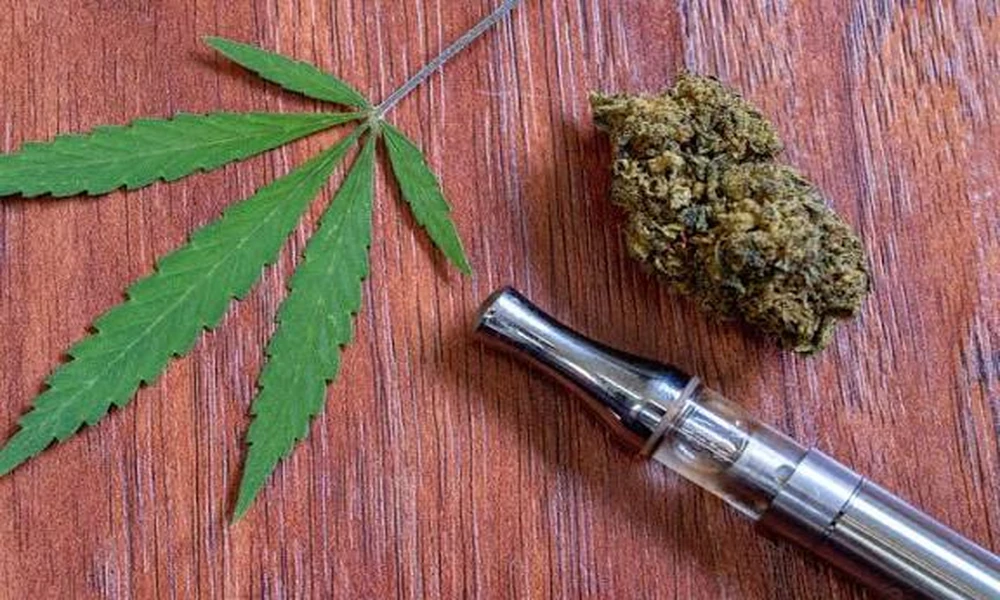
THCA exists naturally in raw cannabis material as the dominant cannabinoid, holding its acidic form until warmth breaks the bond and completes the transformation. Products built as thca vapes take advantage of this natural state, delivering oil that converts at the moment of use rather than during manufacturing. Standard THC products arrive with conversion already finished, meaning the compound sits in its active configuration from the day of packaging onward. Neither approach is inherently superior, though each carries its own production logic, storage behaviour, and market pathway that shapes what ends up available to buyers, and knowing the difference helps anyone read a label with far more confidence.
Conversion timing differences
The timing of activation defines the practical gap between these categories more than any other single element does. THCA formulations hold their potential in reserve, waiting patiently for the user’s own device to supply the heat that finishes the chemistry at the moment of the draw. Standard products complete this step industrially, using controlled ovens or specialized processing equipment long before any consumer contact ever happens.
- Raw acidic oil stays stable longer in storage since the unconverted form resists gradual degradation more effectively.
- Pre-activated oil delivers identical results regardless of device quality since no conversion depends on user hardware.
- Fresh conversion during vaping preserves certain volatile compounds that industrial batch heating tends to burn away early in the production cycle.
Sourcing and production paths
Production routes diverge well before either product reaches a cartridge or disposable unit. THCA concentrates typically come from hemp material processed to isolate the acidic compound at high purity, often appearing as crystalline structures before formulation begins. Standard THC oil generally passes through decarboxylation chambers where controlled heat completes activation across entire batches at once, trading freshness for uniformity along the way.
Purity testing also follows different patterns between the categories. Acidic concentrates frequently reach higher isolated percentages since the crystalline form allows repeated refinement passes that liquid material cannot undergo. Activated oil settles into a form that resists the same crystallisation-based purification, capping practical purity at somewhat lower levels for most production runs across the industry.
Product experience contrasts
Users notice the distinction most clearly through flavour and vapour character rather than through effect strength alone. Freshly converted material often carries a brighter terpene presence since those compounds avoided the industrial heating that standard production requires. Vapour texture from acidic formulations frequently feels smoother on the initial draw, something many longtime users mention when comparing categories directly across similar hardware.
Storage behaviour differs, too, with THCA products occasionally showing harmless crystallisation in cool conditions while standard oil maintains liquid consistency across wider temperature swings. Each pattern reflects the underlying chemistry rather than any quality gap, giving informed buyers useful signals about what they actually hold in hand.
Structure, timing and production separate these compounds far more deeply than their similar names ever suggest at first glance. One carboxyl group creates two genuinely different product categories, each carrying its own strengths that reward users who take a moment to learn what actually sits inside the device they reach for every day.