
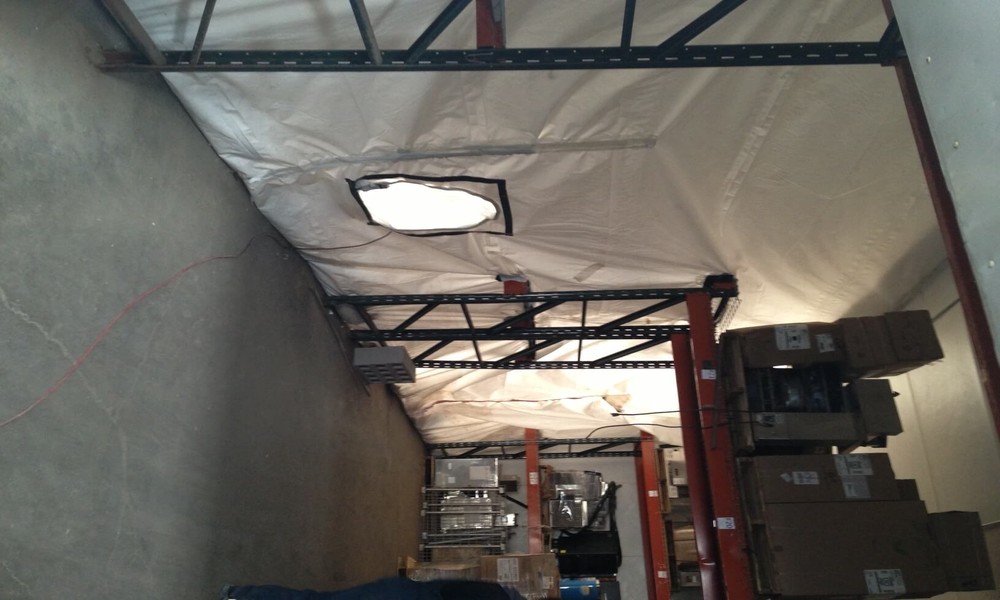
Disasters create chaos and leave structures exposed to further damage. Quick action becomes essential to protect property, equipment, and critical infrastructure. Shrink containment services play a key role in these urgent situations.
These solutions create tight, durable barriers that shield assets from external threats. As a result, recovery teams gain valuable time to plan repairs and restore operations. This article explains how these shrink wrap containment services support disaster response in practical and effective ways.
Rapid Protection After Damage
It offers immediate coverage after storms, fires, or accidents. Teams can apply the material quickly to damaged roofs, walls, or equipment. This fast response reduces exposure to rain, wind, and debris. It helps prevent further structural decline during the early hours after a disaster. In many cases, this quick action limits repair costs and preserves valuable assets. Response teams rely on this speed to stabilize affected areas.
Strong Barrier Against Environmental Threats
The material used in containment forms a tight and secure seal. It resists water penetration, strong winds, and harmful debris. This level of protection keeps interiors dry and prevents mold or corrosion. It also protects sensitive equipment that may fail under harsh conditions. As a result, businesses and property owners avoid additional losses. This barrier serves as a reliable shield until permanent repairs take place.
Support for Safety and Controlled Access
Disaster zones can pose serious risks to workers and the public. Shrink containment helps create defined boundaries around unsafe areas. It reduces the chance of debris falling or spreading into surrounding spaces. Crews can control access points and maintain safer working conditions. This structure allows teams to operate with greater confidence and focus. Safety remains a top priority during every phase of disaster response.
Flexible Use Across Different Structures
Shrink wrap containment adapts to a wide range of applications. It can cover residential homes, commercial buildings, industrial equipment, and even large vessels. The material conforms to various shapes and sizes, which makes it highly versatile. This flexibility allows response teams to address different types of damage with one solution. It also simplifies logistics during emergencies. Teams can deploy the same method across multiple sites with ease.
Cost Control During Recovery Efforts
Disaster recovery often comes with high expenses and tight budgets. Shrink containment helps control costs by reducing additional damage. It protects exposed areas so that repairs remain limited to the original impact. This approach avoids repeated restoration work caused by weather or debris. Insurance claims also benefit from clear evidence of protective measures. In turn, property owners and organizations manage financial strain more effectively.
Assistance in Long-Term Restoration Planning
Shrink containment provides temporary stability that supports long-term planning. It allows engineers and contractors to assess damage without urgent pressure from external elements. This stable environment leads to better decisions about repair strategies. It also gives time to secure materials, permits, and skilled labor. As a result, restoration projects proceed with greater accuracy and efficiency. The containment serves as a bridge between emergency response and full recovery.
Shrink wrap containment services have become a valuable part of disaster response efforts. They provide quick protection, strong defense against environmental threats, and safer conditions for recovery teams. Their flexibility allows use across many types of structures, which improves response efficiency. These services also help control costs and support thoughtful planning during restoration. As disasters continue to impact communities, reliable containment solutions remain essential. Their role ensures that recovery begins on a stable and protected foundation.